
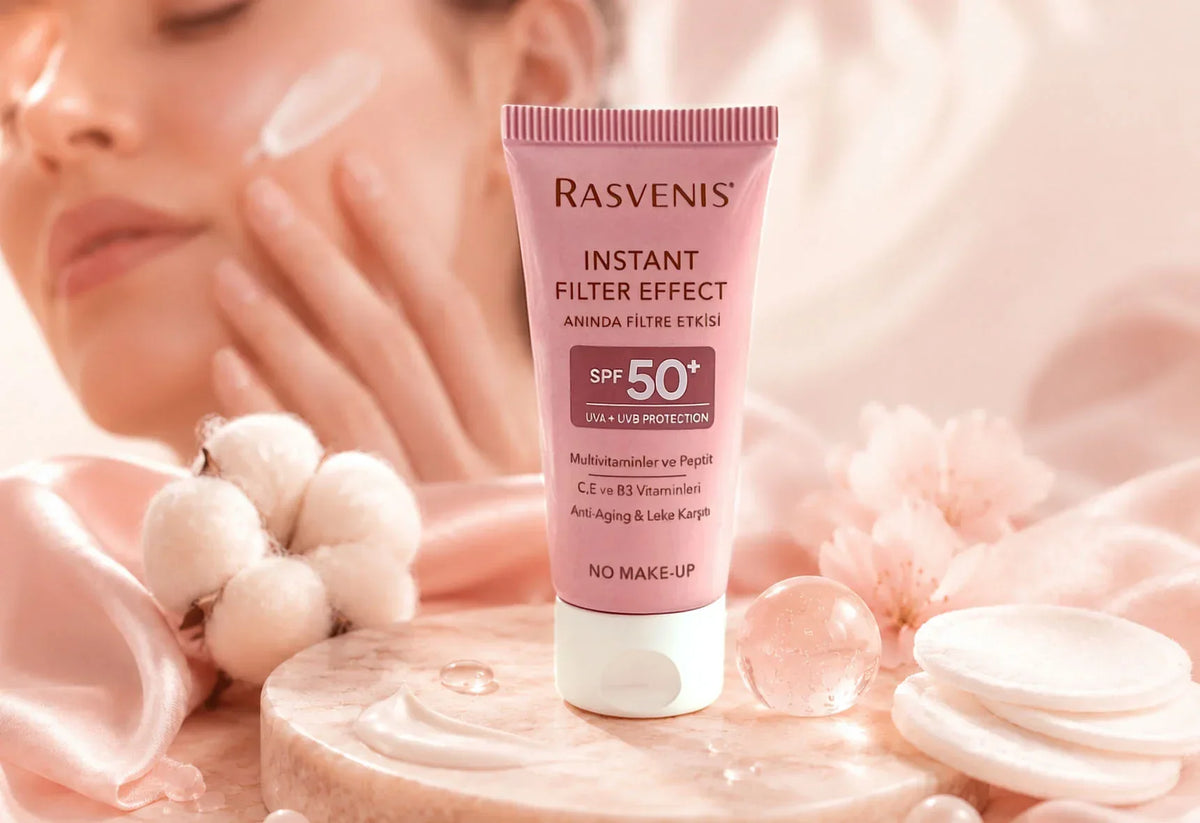
For Sensitive Skin, Tolerance Matters as Much as Protection
Sensitive skin may react more quickly to changes in temperature, friction, strong formulas or environmental stress. That means choosing sunscreen is not only about looking at the SPF number. How the product feels—whether it causes burning, stinging, tightness or persistent redness—matters just as much for daily use.
Sensitivity is highly individual. A formula that feels effortless on one person may be uncomfortable on another. Labels such as “suitable for sensitive skin” can be a useful starting point, but they cannot replace your own experience. Introducing a new product gradually is often the more cautious approach.
What Should You Look For in the Formula?
Broad-spectrum protection and SPF 30 or higher are sensible baseline criteria. Fragrance, essential oils or strongly scented formulas are not automatically problematic for everyone, but if you already know that your skin reacts to them, a simpler fragrance-free option may be easier to tolerate.
Rather than judging individual UV filters as universally “good” or “bad”, evaluate the complete formula and how your skin responds to it. A comfortable texture also matters: the easier the sunscreen is to spread and wear, the more likely you are to apply the amount you need consistently.
How to Patch Test a New Sunscreen
Before using a new product across the whole face, apply a small amount to a limited area such as the side of the jaw or behind the ear, following the product directions. Observe the area rather than immediately layering several new products at once. A patch test cannot guarantee that a full-face application will never cause a reaction, but it can help you notice obvious incompatibility earlier.
If you have a history of severe reactions, diagnosed skin disease or allergies, personalised advice from a dermatologist or another qualified healthcare professional is more appropriate than trial and error.
Layering and Application Order
In the morning, sunscreen is generally applied after your usual skincare and before makeup. Keeping the routine simple can be helpful for sensitive skin: too many layers, active ingredients or heavily fragranced products can make it harder to identify what is causing discomfort.
Apply sunscreen evenly and avoid aggressive rubbing. Allow it to settle before makeup. Around the eyes, use extra care and stop if you experience persistent stinging rather than continuing to apply a product that feels uncomfortable.
What If Irritation Develops?
If a sunscreen causes significant burning, swelling, persistent redness or worsening discomfort, stop using it. Keep the routine gentle and seek professional advice if symptoms are severe, do not settle, or recur with multiple products. Do not assume irritation is simply a sign that the product is “working”.
Frequently Asked Questions
Is mineral sunscreen always better for sensitive skin?
Not necessarily. Some people prefer mineral filters, while others are comfortable with organic filters or hybrid formulas. The complete formula and your individual tolerance matter more than a single category label.
Should sensitive skin avoid fragrance?
If you know fragrance triggers your skin, a fragrance-free formula is a practical choice. If you have no history of sensitivity to fragrance, the decision can be based on comfort and preference.
Can I wear sunscreen over moisturiser?
Yes. Sunscreen is generally the final skincare step before makeup. If layering causes pilling or discomfort, simplify the routine and use thinner layers.
What should I do if sunscreen stings around my eyes?
Avoid applying the product too close to the eye and consider a formula that is more comfortable in that area. Persistent stinging is a reason to stop and reassess the product.
Rasvenis Sun Care
Build a daily protection routine your skin is comfortable with.
Explore a sun-care approach designed around everyday wearability and consistent protection with Rasvenis.
Discover the Product
This content is for general skin-health information only and is not a diagnosis, treatment plan or personalised medical advice. Consult a qualified professional for persistent sensitivity, allergic reactions or a diagnosed skin condition.