
SPF 30 vs SPF 50: Which Sunscreen Should You Choose?
17.07.2026 • Rasvenis
What Does the SPF Number Actually Mean?
SPF describes a sunscreen’s tested level of protection against UVB radiation. It is easy to assume that SPF 50 offers almost twice the protection of SPF 30 simply because the number is larger, but SPF values do not work in a straight-line relationship like that. A higher SPF can provide a greater protection margin, yet the result you get in real life depends heavily on how the product is applied.
Broad-spectrum protection matters too. UVB is only part of the picture; UVA also contributes to cumulative sun exposure and visible skin ageing. When comparing products, look beyond the SPF number and check that UVA protection is clearly addressed.
When Can SPF 30 Be a Practical Choice?
Broad-spectrum SPF 30 can be a solid everyday option for many people, particularly when outdoor exposure is limited and application is generous and consistent. If a comfortable SPF 30 formula encourages you to use the right amount every day, that routine may be more effective than owning a higher-SPF product you dislike wearing.
Remember that sunscreen is not a one-time morning shield. If you spend longer outside, sweat, swim or wipe your face, reapplication becomes important regardless of SPF.
Who May Prefer SPF 50?
SPF 50 can be a sensible choice when you expect intense sun, prolonged outdoor exposure, a beach or sports day, or simply want a higher protection margin. People who are particularly concerned about visible pigmentation or who find it difficult to apply a perfectly even layer may also prefer the additional buffer of a higher SPF.
That does not make SPF 50 “all day protection”. The same rules still apply: use enough, cover all exposed areas and reapply as directed.
Higher SPF Should Not Create False Confidence
One of the biggest SPF mistakes is assuming a higher number means you can apply less, stay in the sun longer or skip reapplication. It does not. An uneven or very thin layer of SPF 50 can perform below expectations, while a well-applied sunscreen that suits your routine is more likely to deliver meaningful protection.
Shade, clothing, sunglasses and hats remain useful regardless of the number on the bottle. Sunscreen works best as one part of a broader sun-protection strategy.
A Simple Way to Decide
Start with your real day. How long will you be outside? How intense is the sun? Will you swim or sweat? Are you prone to visible pigmentation? Which texture are you actually willing to apply generously? If you want a straightforward high-protection everyday option, SPF 50 is an easy choice; if you use SPF 30 correctly and consistently for limited exposure, it can also be appropriate.
Frequently Asked Questions
Is SPF 50 twice as protective as SPF 30?
No. SPF values do not translate into protection in a simple linear way. The difference is meaningful, but application amount and consistency remain crucial.
Does SPF 50 last longer than SPF 30?
Not automatically. Both need to be reapplied according to the product directions and after swimming, heavy sweating or towelling.
Can I use less SPF 50 because the number is higher?
No. Sunscreen testing assumes a defined application amount. Applying too little reduces the protection you receive.
Should I choose SPF 50 for dark spots?
A high-SPF, broad-spectrum sunscreen can be a useful part of a pigmentation-conscious routine. Tinted formulas may also be considered when visible light is relevant to your concerns.
Rasvenis Sun Care
Choose protection you can use correctly and consistently.
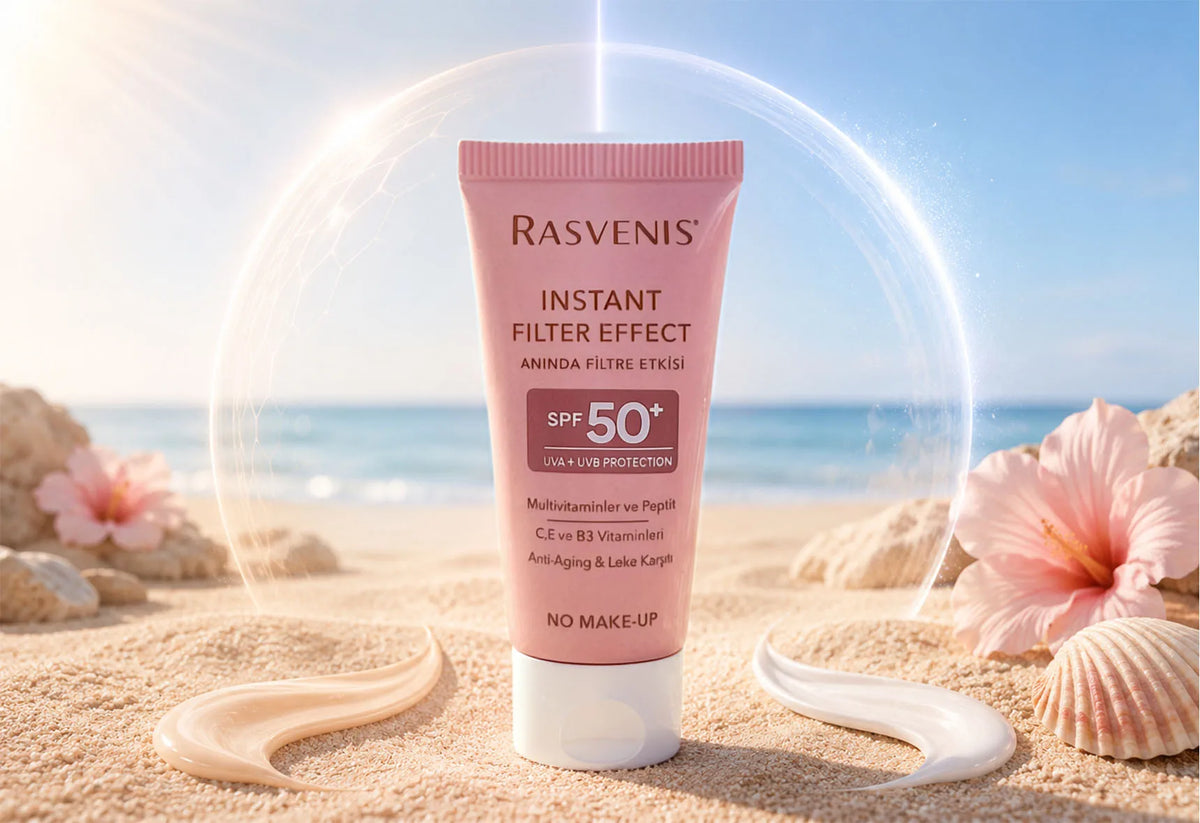
Explore Rasvenis SPF 50+ for high-protection daily sun care with a comfortable, refined finish.
Discover the Product
This content is for general skin-health information only and is not personalised medical advice.