
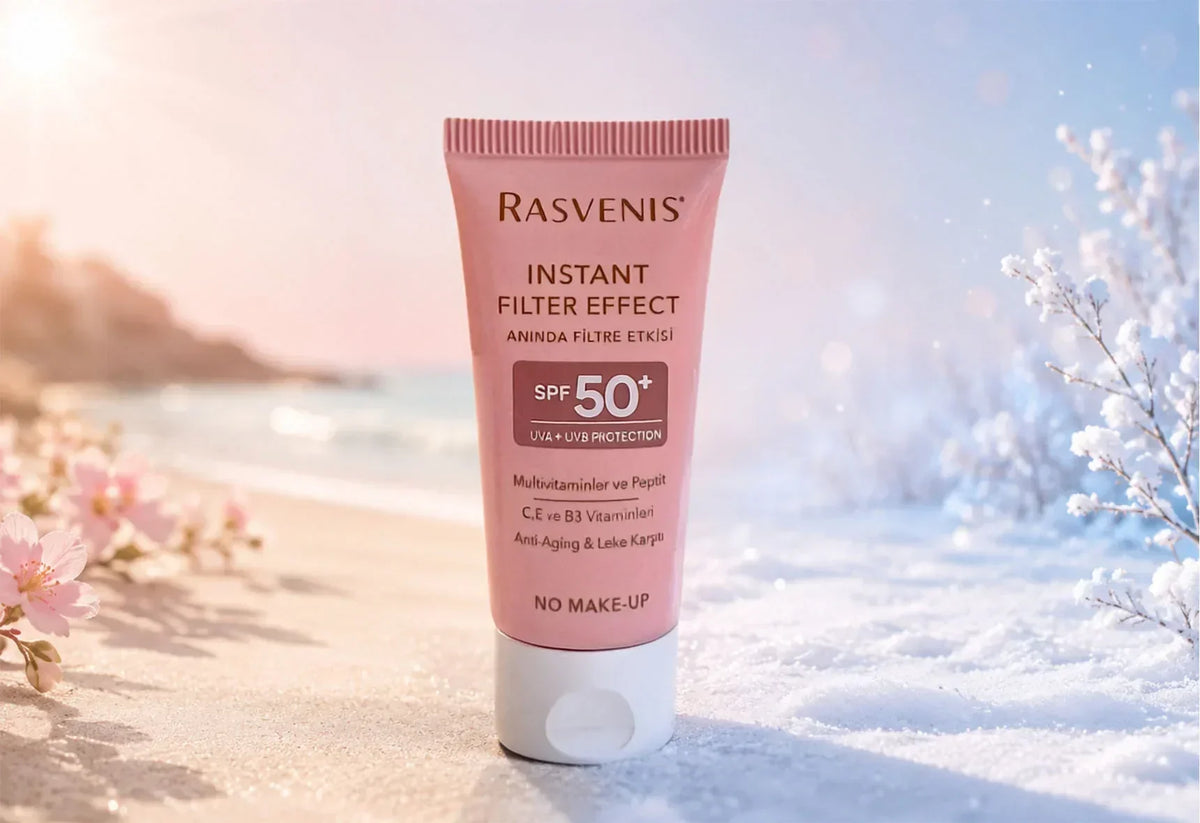
Sun Protection Is Not Only for Summer Holidays
Sunscreen is often associated with beaches, pools and hot summer days, but UV exposure is not limited to a few months of the year. UVA can remain relevant across the seasons and does not disappear completely when the weather is cool or cloudy. Treating sun protection as part of everyday skincare can therefore be more consistent than viewing it as a seasonal product.
What changes with the seasons is often your environment and your skin’s comfort needs: the strength of the sun, the amount of time you spend outdoors, humidity, temperature and the textures you enjoy wearing. The principle of protecting frequently exposed areas—such as the face, neck, ears and hands—remains the same.
Using Sunscreen in Summer
Summer often means stronger-feeling sun, longer days and more time outdoors. Swimming, sweating and towelling can reduce the sunscreen layer, so water-resistance information and reapplication directions become particularly important.
A lightweight formula that spreads quickly and feels comfortable in heat can make consistent use easier. Alongside sunscreen, hats, sunglasses, shade and protective clothing can help reduce overall exposure.
Why Sunscreen Still Matters in Winter
Cold weather does not switch off UV radiation. Even when you spend less time outdoors, the face and hands may still be exposed during daily routines. In snowy environments, reflected light can increase exposure, making protection especially relevant during winter sports or mountain trips.
If your skin feels drier in winter, you may prefer a richer moisturiser or a sunscreen with a more nourishing feel. The best seasonal adjustment is often about texture and comfort rather than abandoning protection altogether.
Cloudy Days and Time Indoors
Cloud cover can reduce some UV exposure but does not block it completely. If you will be outdoors for meaningful periods, maintaining your usual protection is reasonable even when the sky looks grey.
Some UVA can pass through glass. If you spend long periods beside large windows or drive frequently, sunscreen may still be relevant. The amount you need depends on your actual exposure, so think about your environment rather than relying only on temperature or visible sunshine.
A Routine You Can Use All Year
Choose a broad-spectrum sunscreen you enjoy wearing, apply it evenly to exposed areas and follow the product’s reapplication directions. In summer, prioritise sweat- and water-resistance when appropriate; in winter, adjust the moisturising layers around it if your skin feels drier.
Consistency matters more than perfection. A realistic routine you repeat throughout the year is generally more useful than an elaborate routine you only follow on holiday.
Frequently Asked Questions
Do I need sunscreen every single winter day?
Your need depends on exposure, but UV radiation is present in winter. If you are outdoors, near windows for long periods or in reflective snowy environments, sun protection remains relevant.
Can I use the same sunscreen in summer and winter?
Yes, if it feels comfortable. Some people simply prefer lighter textures in hot weather and more moisturising routines when the weather is cold.
Do clouds block UV?
Not completely. Cloudy weather can still involve meaningful UV exposure.
Should I reapply in winter?
Follow the directions on your sunscreen. Reapplication becomes especially important with prolonged outdoor exposure, sweating, friction or snow sports.
Rasvenis Sun Care
Make sun protection a year-round skincare habit.
Discover daily sun care designed to fit naturally into every season with Rasvenis.
Discover the Product
This content is for general skin-health information only and is not personalised medical advice.