
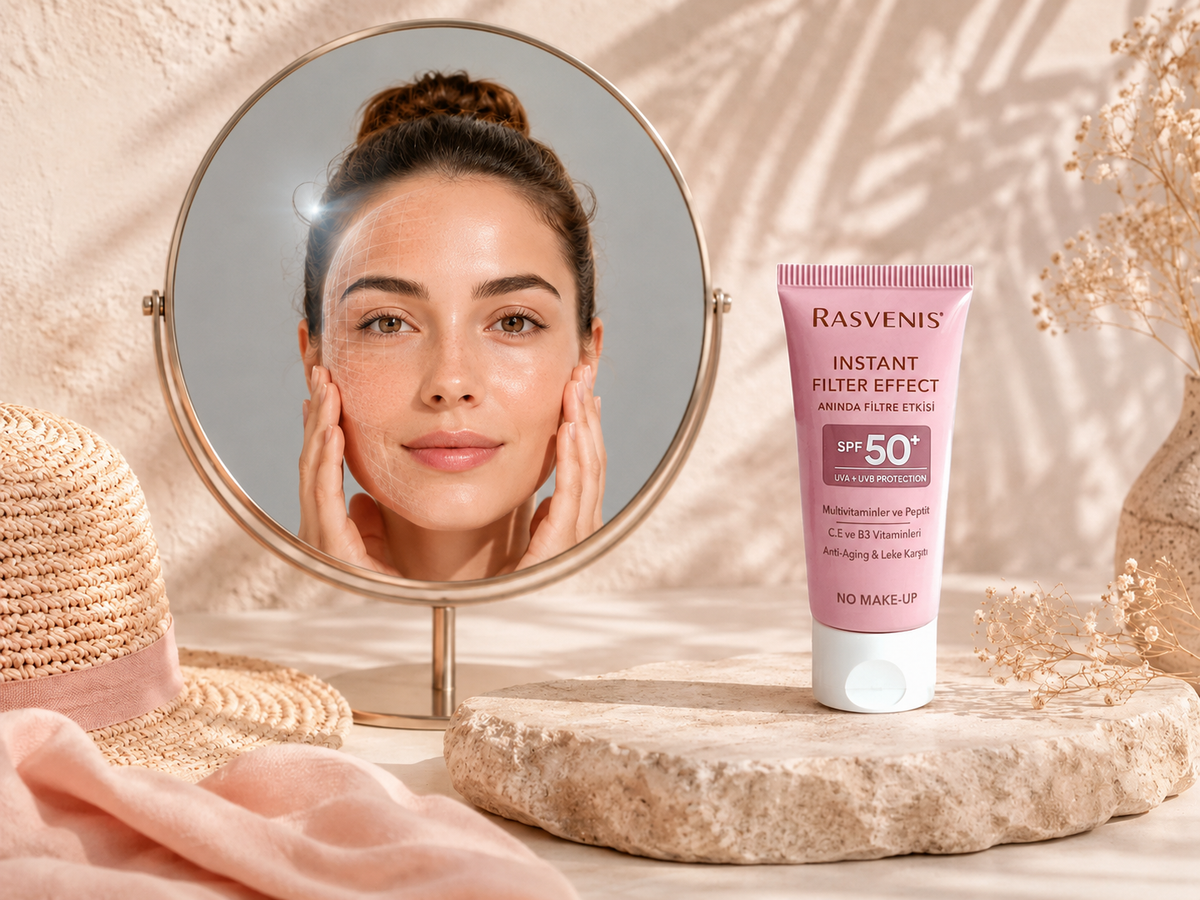
What Do We Mean by “Sun Spots”?
Not every dark area on the skin has the same cause. In everyday language, “sun spots” can describe uneven-looking tone that becomes more noticeable on exposed areas, existing marks that darken or areas of pigmentation that develop over time. The face, forehead, cheeks, nose, décolletage and hands are common places to notice these changes because they receive frequent exposure.
Sun exposure is only one factor. Skin type, previous irritation, post-blemish marks, hormonal changes and certain products or medicines may also influence pigmentation. A new, rapidly changing or unusual dark lesion should not automatically be treated as a cosmetic issue; it deserves assessment by a qualified healthcare professional.
How Can UV Affect the Appearance of Pigmentation?
UVA and UVB can influence the skin’s pigment response. Repeated unprotected exposure may make existing uneven tone or dark marks look more noticeable. Because UVA can remain relevant across the year, a pigmentation-conscious routine should not be limited to summer.
Visible light can also play a role in some forms of hyperpigmentation, particularly in deeper skin tones. Tinted sunscreens containing iron oxides may offer additional support against visible light, although shade match, texture and everyday comfort are still important.
What Kind of Sunscreen Should You Choose?
A broad-spectrum sunscreen with SPF 30 or higher is a practical baseline for a routine focused on helping reduce sun-related darkening. If you spend long periods outdoors, work outside, exercise in the sun or expect intense exposure, a higher SPF and water-resistant formula may be useful.
Consistency matters as much as specifications. A sunscreen that feels so heavy or uncomfortable that you apply too little is difficult to rely on. Choose a texture you can spread generously and, if you use a tinted formula, a shade you can wear comfortably in the amount needed.
Why Application Amount and Reapplication Matter
To approach the protection shown on the label, sunscreen needs to be applied evenly across exposed skin. Protect the whole face, neck, ears and other exposed areas rather than dotting sunscreen only over visible marks. The hairline, between the brows, sides of the nose and backs of the hands are easy to miss.
The protective layer can decrease with sweating, swimming, wiping and friction. Follow the reapplication directions on your sunscreen, particularly during prolonged outdoor exposure or after water and heavy perspiration.
Sun Protection Is More Than Sunscreen
Sunscreen is important, but it is not the only tool. Limit direct exposure during intense sun where practical, seek shade, wear a wide-brimmed hat and UV-protective sunglasses, and consider clothing that covers exposed shoulders, décolletage and arms.
Frequently Asked Questions
Can sunscreen completely prevent dark spots?
No method can guarantee that all pigmentation will be prevented. Consistent broad-spectrum sun protection, shade, hats and a gentle skincare routine can help reduce avoidable sun-related darkening.
Is SPF 30 or SPF 50 better for pigmentation concerns?
Broad-spectrum SPF 30 or higher is a useful baseline. SPF 50 can provide a higher protection margin when exposure is intense or prolonged, but correct application and reapplication remain essential.
Why are tinted sunscreens often mentioned for dark spots?
Some tinted sunscreens contain iron oxides that can help reduce exposure to visible light, which may be relevant for certain forms of pigmentation.
Should I apply sunscreen only on the dark spots?
No. UV exposure affects the entire exposed area. Apply sunscreen evenly across the face, neck, ears and other exposed skin.
Do I need sun protection in winter?
Yes, UV exposure does not disappear in winter. A year-round approach is more consistent for skin prone to uneven pigmentation.
Rasvenis Sun Care
Build a daily protection habit that supports more even-looking skin.
Explore broad-spectrum protection, consistent use and a comfortable daily routine with Rasvenis.
Discover the Product
This content is for general skin-health information only and is not a diagnosis, treatment plan or personalised medical advice. Seek professional advice for persistent or changing pigmentation or any specific skin condition.