
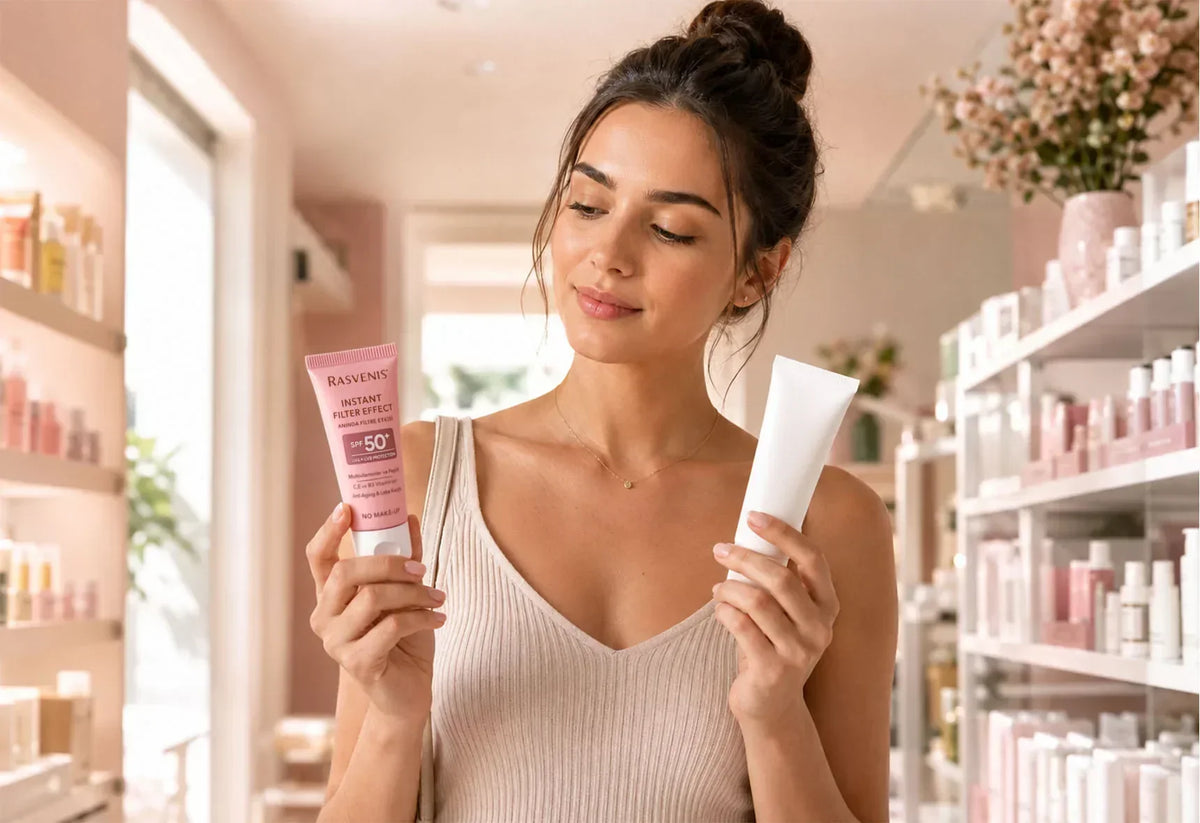
The Best Sunscreen Is Not One-Size-Fits-All
There is no single answer to the question “What is the best sunscreen?” A strong formula should do more than offer a high SPF: it should also suit your skin type, the amount of time you spend outdoors, the way you wear makeup and how realistically you can reapply it throughout the day. A sunscreen may look impressive on paper, but if it feels heavy, sticky or uncomfortable, you may be less likely to apply enough of it or use it consistently.
The goal of daily sun protection is to reduce exposure to both UVA and UVB radiation. UVB is closely associated with sunburn, while UVA can contribute to visible signs of premature skin ageing and uneven-looking tone. A broad-spectrum sunscreen—or a product clearly labelled for both UVA and UVB protection—is therefore a sensible starting point for everyday use.
How Should You Think About SPF?
SPF primarily describes the level of protection a sunscreen provides against UVB. For everyday use, SPF 30 or higher is a common baseline. If you expect prolonged outdoor exposure, intense sun, sport, walking or a beach day, SPF 50 can provide a higher margin of protection. A higher SPF, however, does not compensate for applying too little or skipping reapplication.
Real-world protection depends on applying an even, generous layer, covering exposed areas and reapplying according to the product directions—especially after swimming, heavy sweating or towelling. Areas such as the ears, hairline, sides of the neck and backs of the hands are easy to miss and deserve the same attention as the centre of the face.
Choose a Texture That Works With Your Skin
If your skin tends to feel oily, you may prefer a lightweight, fluid texture that spreads easily and does not feel overly rich. Drier skin may feel more comfortable with creamier formulas that support a moisturised feel. Combination skin often benefits from a balanced finish that works across different areas of the face. If your skin is sensitive, a simpler formula, lower-fragrance approach and a small-area test before full use can be useful.
Makeup compatibility matters too. Pilling, flaking or a formula that shifts under foundation can make daily use frustrating. Applying sunscreen as the final step of skincare and allowing it a short moment to settle before makeup can help create a more even base. Tinted sunscreens may offer additional tone-evening benefits, while untinted formulas can be easier to integrate into a wider range of makeup routines.
What to Check on the Label
Look for the SPF level, broad-spectrum or UVA/UVB protection information, directions for use and any water-resistance claim. “Water resistant” does not mean a sunscreen lasts all day without reapplication: swimming, heavy perspiration and towelling can reduce the protective layer. Do not use products that are past their expiry date or that have been stored in excessive heat and changed noticeably in texture, colour or smell.
Individual UV filters should not be judged in isolation. What matters is the complete formula, its tested performance, how it is intended to be used and whether it feels comfortable enough for you to apply consistently. A sunscreen that fits your real routine is usually more useful than one chosen solely because it is popular.
How Do You Know You Have Found the Right Sunscreen?
The right sunscreen should feel like a realistic part of your morning routine—not a step you keep avoiding. It should spread comfortably, suit your preferred finish and work with the way you reapply during the day. Persistent burning, stinging, marked redness or eye irritation are signs to stop and reassess the product rather than simply trying to “get used to it”.
Frequently Asked Questions
Is SPF 30 enough for everyday use?
Broad-spectrum SPF 30 can be a practical everyday baseline for limited exposure. If you will spend longer outdoors, expect intense sun or simply want a higher protection margin, SPF 50 is worth considering.
How should I apply sunscreen under makeup?
Apply it evenly after moisturiser, then allow it to settle briefly before starting makeup. If products pill, review how much you are layering and whether the textures are compatible.
What texture works well for oily skin?
Lightweight, fast-spreading formulas that do not leave a heavy film often feel more comfortable. The best choice is ultimately the formula that feels good on your own skin and encourages consistent use.
Do I still need to reapply water-resistant sunscreen?
Yes. Water resistance is assessed for a defined period. Reapply as directed after swimming, sweating or towelling.
Does storage matter?
Yes. Follow the storage and period-after-opening guidance on the packaging. A product that has expired or changed after prolonged heat exposure may not perform as intended.
Rasvenis Sun Care
Make daily protection the easiest step in your routine.
Discover a sun-care approach designed to feel comfortable on skin and easy to use consistently with Rasvenis.
Discover the Product
This content is provided for general skin-health information only and is not a diagnosis or personalised medical advice. If you experience persistent irritation, significant redness or have a specific skin condition, seek advice from a qualified healthcare professional.